

By Andrew Siyabalawatte, Posted March 2021
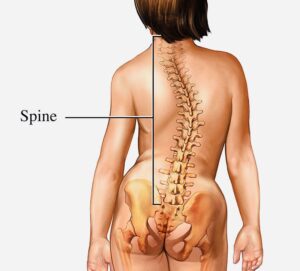
Living with scoliosis can be frustrating, particularly when you experience persistent back pain, uneven shoulders, postural changes or stiffness that affects your everyday activities.
If you have been diagnosed with scoliosis, you may have been told that there is little you can do apart from accepting the condition. However, that does not mean you have to accept unnecessary discomfort or reduced mobility.
Finding the right scoliosis chiropractor can be an important part of understanding your condition and exploring appropriate conservative treatment options.
At Back To Health Wellness, we believe that every person with scoliosis deserves an individual assessment and a treatment approach that considers their spinal health, movement, lifestyle and symptoms.
Although chiropractic care cannot guarantee that a structural spinal curve will straighten, appropriate hands-on care and exercise guidance may help manage associated muscle tension, stiffness and discomfort.
In this article, we explain what scoliosis is, how chiropractic treatment may help, what to expect from an assessment and when specialist medical advice is important.
What Is Scoliosis of the Spine?
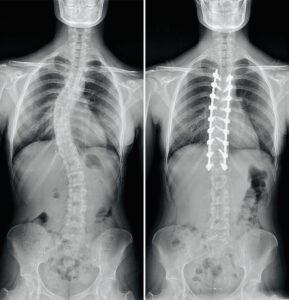
Scoliosis is a condition in which the spine develops a sideways curve accompanied by rotation of the vertebrae. Viewed from behind, the spine may appear in an S-shaped or C-shaped pattern.
The condition can affect different parts of the spine, including-
- Thoracic scoliosis: Affects the middle or upper back.
- Lumbar scoliosis: Affects the lower back.
- Thoracolumbar scoliosis: Involves both the thoracic and lumbar regions.
Scoliosis can develop during childhood, adolescence or adulthood. Some cases are associated with spinal development, while others develop later in life due to degenerative changes.
Importantly, not every spinal curve requires treatment. The appropriate approach depends on the person’s age, the size and pattern of the curve, whether it is progressing and the symptoms experienced.
Common Signs and Symptoms of Scoliosis
Scoliosis does not look or feel the same in everyone. Some people notice visible changes in their posture, while others experience discomfort or discover the condition during a routine examination.
Common signs include-
- One shoulder appearing higher than the other.
- Uneven hips or waistline.
- One shoulder blade appearing more prominent.
- Rib prominence on one side of the back.
- A visible spinal curve.
- Leaning slightly to one side.
- Clothing hanging unevenly.
- Back discomfort or muscular fatigue.
- Reduced flexibility or movement in certain positions.
If you recognise these symptoms, an assessment can help determine whether scoliosis may be present.
A qualified scoliosis chiropractor can assess your movement, posture and muscular function as part of an initial evaluation. However, a physical examination alone cannot establish the precise size of a structural spinal curve. Appropriate clinical assessment and imaging, when indicated, are important.
What Is Scoliosis of the Spine?
Scoliosis of the spine is a condition where the spine curves sideways and often rotates. Rather than appearing straight from behind, the spine forms an “S” or “C” shape. This spinal curve can occur in different regions, including the thoracic spine and the lumbar spine, leading to thoracic scoliosis or lumbar scoliosis respectively.
Scoliosis does not affect the spine alone. Changes often involve-
- The spinal joints and vertebrae
- Back and core muscles
- The ribcage and breathing mechanics
- The pelvis and hip alignment treatment
- Ligaments and connective tissues
Over time, this imbalance alters the body’s natural posture and movement patterns. Many people feel their posture is “normal” because the body adapts gradually-even though scoliosis treatment may be needed to restore balance.
Common Characteristics of Scoliosis

The signs of scoliosis can develop slowly or appear more suddenly, depending on the type and severity. Common features include-
- One shoulder sitting higher than the other
- Rib prominence, often linked to thoracic scoliosis
- Uneven hip height, frequently seen in lumbar scoliosis
- Clothing hanging unevenly
- A visible curve when bending forward
- Persistent upper, mid, or lower back pain
- Stiffness and reduced spinal mobility
In cases of severe scoliosis, these changes may significantly affect daily movement, breathing, and long-term spinal health.
What Causes Scoliosis?

Understanding the type of scoliosis is essential before deciding which treatment options may be appropriate.
1. Idiopathic Scoliosis
Idiopathic scoliosis is the most common type, particularly among adolescents. Its exact cause is unknown, although genetic factors are thought to contribute.
It often becomes noticeable during periods of rapid growth.
2. Congenital Scoliosis
Congenital scoliosis develops before birth when one or more vertebrae do not form or separate normally during development.
Children with this type of scoliosis may need regular specialist monitoring because the curve can change as they grow.
3. Degenerative Scoliosis
Degenerative scoliosis generally develops during adulthood as changes affect the spinal discs and joints.
It commonly involves the lumbar spine and may be associated with-
- Age-related disc degeneration.
- Changes in spinal joints.
- Reduced spinal stability.
- Back pain and stiffness.
- Nerve irritation in some cases.
4. Functional or Postural Spinal Curves
Some spinal curves are related to underlying mechanical factors, such as muscle imbalance, pain or a difference in leg length.
Unlike a structural scoliosis, a functional curve may change when the underlying cause is addressed.
This distinction is important because the treatment approach for a flexible, functional curve is not the same as the approach for a structural spinal deformity.
Can Scoliosis Treatment be useful?

One of the most common questions patients ask is whether chiropractic treatment can help scoliosis.
The answer depends on the type of scoliosis and what the patient hopes to achieve.
A scoliosis chiropractor may help address certain symptoms associated with the condition, including muscular discomfort, stiffness and restricted movement.
Chiropractic care may form part of a wider conservative management programme, alongside appropriate exercises and advice from other healthcare professionals.
Potential treatment goals include-
- Managing muscular tension and discomfort.
- Supporting comfortable spinal movement.
- Improving general mobility.
- Addressing associated movement restrictions.
- Helping patients remain physically active.
- Developing an appropriate home exercise routine.
It is important to understand the distinction between symptom management and structural correction.
There is currently insufficient reliable evidence that conventional chiropractic adjustments can straighten structural scoliosis or reliably prevent its progression. Therefore, treatment should never replace appropriate specialist monitoring, bracing or other recommended medical care.
At Back To Health Wellness, our priority is to help patients understand their condition and identify realistic treatment goals.
Scoliosis Treatment
In most cases, the cause of scoliosis is yet unknown although, there is a strong genetic factor in the formation of scoliosis. From birth, it can be due to bones not forming properly – this is known as congenital scoliosis. We see a lot clients that feel the stresses of their job or even bad posture had caused or contributed lumbar, thoracic or they are not wrong. It is common knowledge that the more wear and tear the body undergoes through, as a result of stress and bad posture combined with age in lumbar, thoracic, the more likely weaknesses in the spine and muscles can contribute to scoliosis
How Does Chiropractic Treatment Work for Scoliosis?
A chiropractic approach should begin with a detailed understanding of the patient’s individual condition rather than simply applying adjustments to the curved areas of the spine.
Depending on the findings, a scoliosis chiropractor may consider several aspects of musculoskeletal health.
1. Improving Spinal Mobility
- Some people with scoliosis experience stiffness around the thoracic or lumbar spine.
- Appropriate manual therapy may help improve comfortable movement in restricted areas, depending on the individual’s condition.
- The objective is to support function and reduce discomfort rather than force the spine into a different structural position.
2. Addressing Muscle Tension
- The muscles surrounding a curved spine may work differently on each side.
- Some muscles can become tight or overworked, while others may have reduced endurance.
- Gentle soft-tissue techniques and appropriate exercise may help manage muscular tension and improve movement tolerance.
3. Supporting Postural Awareness
- People with scoliosis may develop compensatory movement habits over time.
- Postural education can help patients understand their individual movement patterns and make practical adjustments to everyday activities.
- This may include advice about sitting, standing, lifting and working at a desk.
4. Encouraging Appropriate Exercise
- Exercise is an important part of maintaining general spinal health.
- A chiropractor working within their professional scope may recommend suitable exercises or coordinate care with a physiotherapist experienced in scoliosis management.
- For some patients, physiotherapeutic scoliosis-specific exercises, including Schroth-based approaches, may be considered.
- These programmes focus on individualised three-dimensional postural correction, breathing and muscular control.
Osteopathy and Chiropractic Treatment for Scoliosis

At Back To Health Wellness, we recognise that scoliosis can involve more than the spine itself.
The surrounding muscles, ribcage, pelvis and hips can all influence how a person moves and experiences discomfort.
Depending on the patient’s needs, a combined approach may involve-
Osteopathy
- Gentle soft-tissue techniques.
- Appropriate joint mobilisation.
- Improving comfortable movement.
- Addressing associated muscular tension.
Chiropractic care
- Assessment of spinal and joint movement.
- Appropriate manual treatment where indicated.
- Advice on posture and movement.
- Support with functional rehabilitation.
- Exercise and rehabilitation
- Core strengthening.
- Back and hip strengthening.
- Flexibility exercises.
- Breathing and movement awareness.
- Individualised home exercise guidance.
Not every treatment is appropriate for every patient. Techniques should be selected following an assessment and should take account of the type and severity of scoliosis.
Spinal Decompression Exercises and the Backaid Device at Home
Alongside professional guidance and appropriate exercises, some people look for practical ways to support lower-back mobility, reduce muscular tension and improve everyday comfort at home.
At Back To Health Wellness, we also offer the Backaid Device by Spinealign, a portable spinal positioning and mobility device designed to help mobilise the pelvis, tailbone and lower back through two adjustable positioning options.
How Does the Backaid Spinal Decompression Device Work?
The Backaid Device offers two different positioning options-
1. Forward Tilt Position
The forward-tilt position is designed to help relax the stabilising muscles around the back and pelvis. It may also support hip flexibility, comfortable movement and relaxation of the surrounding tissues.
2. Backward Tilt Position
The backward-tilt position gently changes pelvic positioning to help unload some weight from the joints around the lower spine and tailbone. It also provides a comfortable position that may support relaxation and ribcage expansion.
Why Consider the Backaid Device?
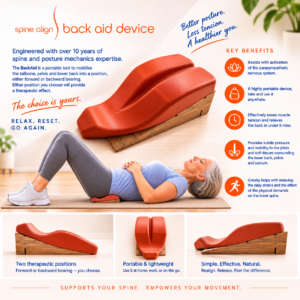
Depending on individual needs, the Backaid Device may be useful for people looking to-
- Support lower-back mobility.
- Relax muscles around the pelvis and lower back.
- Improve hip movement and flexibility.
- Explore comfortable spinal positioning.
- Incorporate relaxation into their daily routine.
- The device is portable and designed for convenient home use.
- Discover the Backaid Spinal Decompression Device
If you are interested in learning more about this approach to lower-back positioning and mobility, explore our Backaid spinal decompression machine by Spinealign.
Book Your Scoliosis Chiropractor Assessment at Back To Health Wellness
Living with scoliosis does not mean you have to ignore persistent back discomfort, stiffness or difficulties with everyday movement.
The first step is understanding your spinal condition, identifying your treatment goals and exploring which options are appropriate for you.
Whether you have thoracic scoliosis, lumbar scoliosis or adult degenerative scoliosis, Back To Health Wellness can discuss suitable conservative care and help you understand when additional specialist input may be needed.
If you are looking for professional chiropractic support, explore our services as chiropractor in Surrey