
By Sumaiya Farheen and Andrew Siyabalawatte, Nov 2023.
Have you ever experienced a deep, frustrating pain that begins at the top of your neck pain and spreads upwards into your head? Many people describe this as severe neck and headache at the base of the skull, where the discomfort feels like it starts at the point where the neck connects with the head before travelling towards the forehead, temples, or behind the eyes.
This type of headache can be exhausting. It may affect your concentration, disturb your sleep, make working at a computer difficult, and leave you constantly searching for ways to relieve the pressure and tightness.
While headaches are often associated with stress, dehydration, or fatigue, many recurring headaches actually originate from structures within the neck. This is known as a cervicogenic headache-a headache caused by problems involving the cervical spine, muscles, joints, and surrounding tissues of the upper neck.
The good news is that understanding the connection between your posture, muscles, and spine can help you identify the underlying causes and take practical steps towards long-term relief.
In this guide, we will explore why severe neck pain and headache at the base of the skull occurs, how poor posture and muscle imbalance contribute to symptoms, and the natural strategies that may help improve neck pain mobility, reduce tension, and prevent recurring headache.
What Is A Cervicogenic Headache?
A cervicogenic headache, notable for their origin in the neck, often result from structural issues or dysfunction in the cervical spine. Typically, severe neck and headache base of skull the pain initiates in the neck; as a consequence, it radiates to the head pain, resulting in head pain.

Severe Neck Pain and Headache at Base of Skull: Common Symptoms
The location and pattern of symptoms can help identify whether your headache may be related to your neck pain.
Common signs include-
1. Pain Where the Neck Meets the Skull
One of the most common complaints is discomfort at the junction between severe neck pain and headache base of skull the upper neck and the skull.
This area contains small muscles, joints, and nerves that are highly involved in supporting head posture. When these structures become tight or irritated, they can create persistent pain.
2. Pain Spreading Into the Head
A headache caused by neck dysfunction often follows a specific pattern-
Beginning at the upper neck pain
Moving towards the back of the skull
Travelling over the scalp
Sometimes extending towards the forehead, temples, or eyes
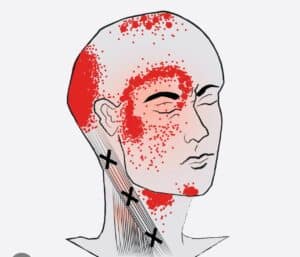
This referred pain pattern is one of the reasons many people mistake cervicogenic headache for migraines or tension headache.
3. Reduced Neck Movement
People experiencing severe neck pain and headache at the base of the skull often notice stiffness, especially when-
Turning the head from side to side
Looking upwards
Looking down for extended periods
Restricted movement can increase stress on surrounding muscles and joint pain, creating a cycle of tension and discomfort.
4. Shoulder and Upper Back Tightness
The muscles supporting the neck and shoulders often become overworked when posture changes.
Commonly affected muscles include-
Upper trapezius
Levator scapulae
Suboccipital muscles
Pectoral muscles
These muscles work together to severe neck pain and headache base of skull maintain head position. When they become tight, they can contribute to headache and neck pain discomfort.
What Causes Severe Neck Pain and Headache at Base of Skull?
There are several possible causes behind cervicogenic headache. Often, it is not one single problem but a combination of posture, headache, muscle imbalance, joint stiffness, and lifestyle factors.
1. Poor Posture and Forward Head Posture
One of the most common contributors is forward headache posture.
Modern lifestyles often involve spending hours-
Looking at computer screens
Using smartphones
Working from laptops
Reading with the head tilted down
Driving for long periods
Ideally, the head should sit comfortably above the shoulders. However, when the head moves forward, the muscles at the back of the neck must work harder to support its weight.
The further the headache forward, the greater the strain placed on-
Cervical joints
Neck muscles
Ligaments
Nerves
Upper back muscles
Over time, this can contribute to neck pain causing headache, especially discomfort felt at the base of the skull.
The Role of the Trapezius Muscle
The trapezius muscle plays an important role in posture, shoulder movement, and neck pain stability.
This large muscle extends from-
The base of the skull and headache.
Across the neck
Over the shoulders
Down into the middle of the back
The trapezius helps-
Stabilise the shoulder blades
Support the neck
Maintain upright posture
Control head and shoulder movement
When posture becomes poor, especially during long periods of sitting, the trapezius muscles headache, may become overloaded.
They often tighten in an attempt to compensate for the increased demand placed on the neck pain and upper back pain.
This increased tension may contribute to-
Tight shoulders
Reduced neck pain mobility
Pressure at the base of the skull
Headache caused by muscle tension
Forward Head Posture and Its Connection to Headache
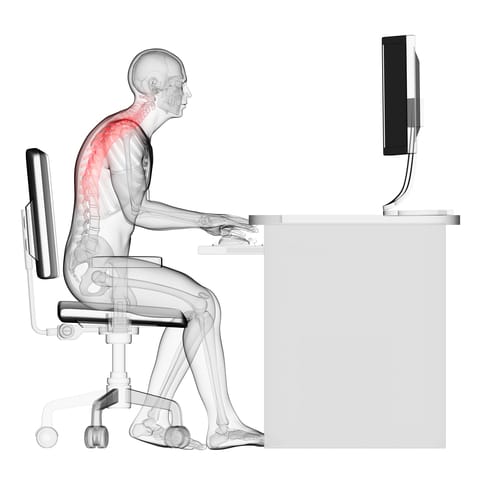
This posture is most commonly predisposed by sitting at the desk and looking at a computer screen, or even any activities which involve looking down, like knitting. Forward headache posture increases stress on the neck (cervical spine) and the surrounding structures including nerves which supply the headache, face, neck pain and shoulders.
The Upper Cross Syndrome
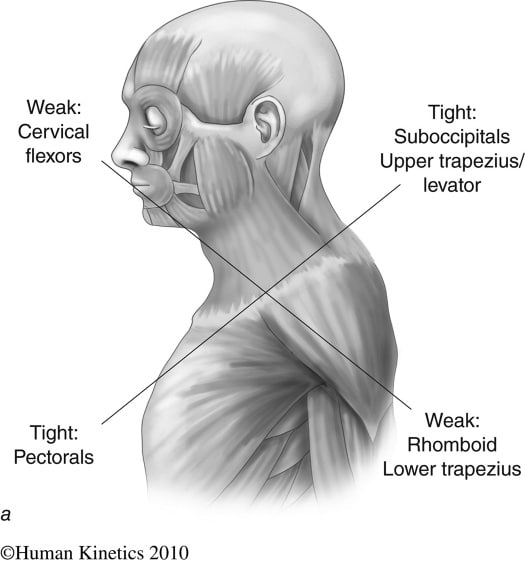
To help manage forward head posture, the body creates a muscle imbalance known as the upper cross syndrome, which is caused by the weakening and lengthening of the posterior (behind) upper back pain and neck pain muscles, combined with the tightening and shortening of the opposing anterior (front) pectoral (chest) and neck pain muscles.
Cervicogenic Headache Exercises
One can manage and prevent cervicogenic headache with pain and exercises enhancing neck pain strength, flexibility, and posture. Here are our recommendations –
Muscle Stretching
Chin Tucks– Sit/stand straight, gently tuck chin towards chest, hold 5-10 sec, repeat 5-10 times.
Neck Rotation– Slowly turn head to right, chin over shoulder, hold 15-30 sec, repeat on left. Do 3-5 times each side.
Isometric Neck Exercises– Press hand on forehead, side, back, hold 5-10 sec. Repeat 5-10 times each. These exercises will target several neck and chest muscles at once.
Diaphragmatic Breathing– Inhale deeply through nose, expand abdomen, exhale slowly through mouth. Focus on breath for relaxation.
First Rib, Neck Pain & Shoulder Release Exercise
Tension around the first rib, upper trapezius, and neck muscles and headache can contribute significantly to cervicogenic headache, shoulder tightness, and restricted neck pain movement severe neck pain and headache base of skull. When these structures become stiff or overactive, they may increase headache and strain through the cervical spine and surrounding nerves.
Incorporating simple mobility and release exercises into your routine can help reduce tension, improve posture, and support headache relief.
Watch our guided exercise here – severe neck pain and headache base of skull
Posture Correction
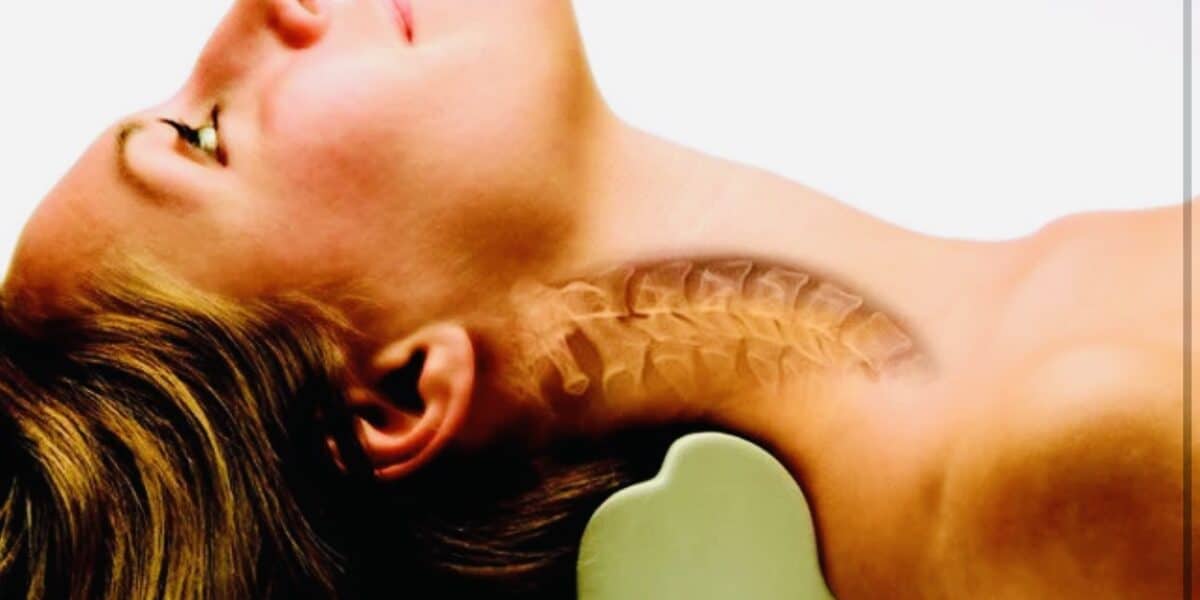
This therapy uses a device (image below) to self-manage focused stretching of the spine and the surrounding tissues. Spine traction is a highly effective way to Improve neck curve and alleviate upper back pain and neck tension. This therapy is ideal for those with a straight neck and a flexed upper back and severe neck pain and headache base of skull- which, are both the outcomes of stiffness in the spine and tension in flexors of the neck pain and the trapezius muscle pain.
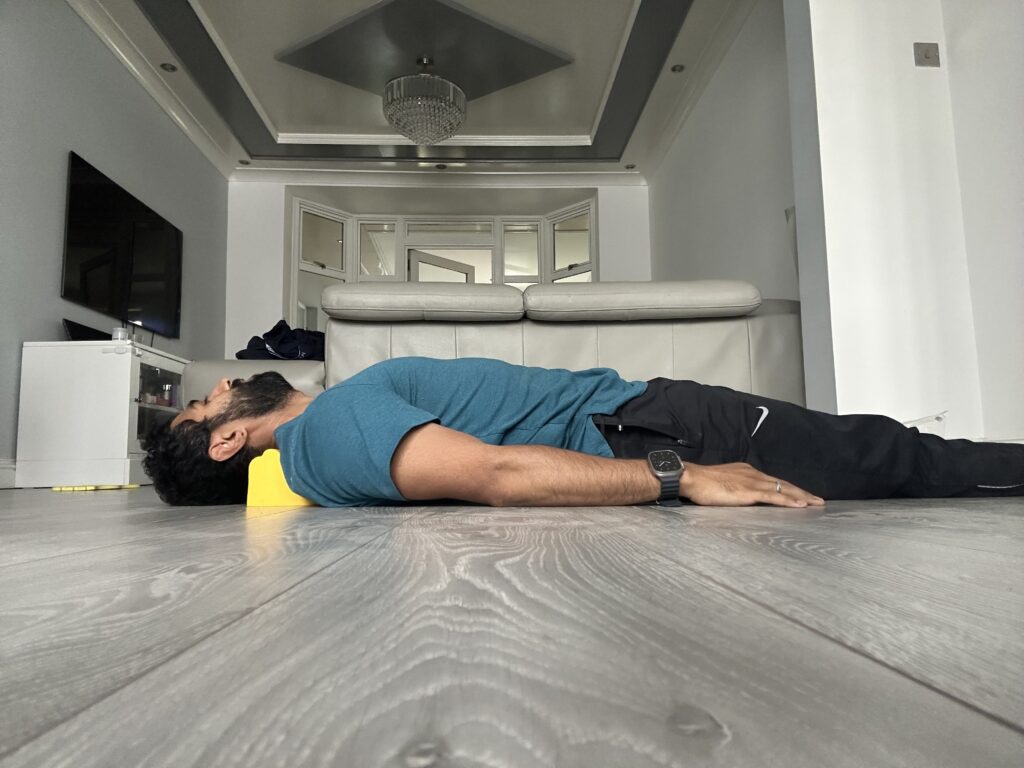
Cervicogenic Headache Treatment At Home Or Near Me
Posture correction is predominantly done at home as you have the device to use regularly. Combine the exercise with weekly/fortnight treatments as mentioned below, will give you the best chance of irradicating cervicogenic headache for the long term.
Osteopathy– Osteopathy taps into the body’s self-healing power through a holistic approach to the interconnected musculoskeletal system.
By using manual manipulation, gentle techniques, and stretches, osteopaths enhance joint mobility, ease muscle pain tension, and promote spinal well-being. It effectively addresses cervicogenic headache causes, providing lasting relief.
Chiropractic Care– Chiropractors excel in diagnosing and treating musculoskeletal issues, emphasizing precise spinal adjustments.
Through skillful realignment of vertebrae and improved nerve pain function, they effectively alleviate muscle pain tension. Chiropractic care offers proven relief for cervicogenic headache.
Massage Therapy– Massage therapy provides a valuable strategy for managing cervicogenic headache. Skilled therapists target neck pain and shoulder muscles, releasing tension, boosting blood flow, and enhancing flexibility.
Regular massage sessions play a key role in preventing headache recurrence, addressing muscle imbalances, and fostering relaxation.

A Collaborative Approach for Optimal Relief
In the realm of cervicogenic headache treatment, each of these approaches-osteopathy, chiropractic care, and massage therapy-offers unique benefits. The ideal approach often involves a collaborative effort between these professionals to tailor treatment to the individual’s specific needs. Osteopaths embrace holistic interconnectedness, chiropractors excel in spinal adjustments, and massage therapists offer hands-on muscle relaxation. This collaborative approach provides the best chance for optimal relief from cervicogenic headache.