
By Andrew Siyabalawatte, Oct 2022.
If you’ve ever woken up with sharp heel pain or felt discomfort at the bottom of your foot after standing all day, you might be dealing with plantar fasciitis. This condition occurs when the thick band of tissue that runs along the bottom of your foot insoles, the plantar fasciitis-becomes irritated or inflamed. The result? Pain that can make your first steps in the morning feel unbearable.
The good news is that insoles for plantar fasciitis is highly treatable. One of the simplest and most effective ways to relieve pain and prevent it from coming back is with the right insoles for plantar fasciitis. These aren’t just ordinary shoe inserts-they provide targeted support exactly where your foot needs it most.
Why Insoles for Plantar Fasciitis Work?
The insoles for plantar fasciitis acts like a shock absorber for your foot, supporting your arch and taking the brunt of your weight with every step. When it becomes overworked or stressed, it can develop micro-tears, inflammation, and scar tissue. This is where insoles for plantar fasciitis come in-they help reduce the strain on your plantar fasciitis and provide the support your feet need to heal.

The right insoles can-
Insoles stabilize your arch and prevent overstretching of the plantar fasciitis
Insoles Cushion your heel to absorb impact and reduce pain
Encourage proper insoles with correct foot alignment for better overall posture and comfort
With consistent use, insoles don’t just relieve pain-they can help prevent flare-ups and keep your feet healthy long-term.
Although plantar fasciitis is most common in adults aged 40–60, it can affect anyone, including athletes, runners, or people who spend long hours on their feet. Obesity, flat feet, high arches, and tight calf muscles also increase the risk.
Signs You Need Insoles for Plantar Fasciitis
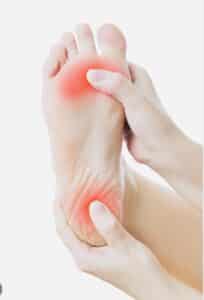
Not sure if insoles are right for you? Insoles are especially helpful if you notice-
Sharp heel pain, particularly with your first steps in the morning
Pain that eases with movement but returns after prolonged standing or walking
Stiffness in the arch or the bottom of your foot
Tenderness around the heel or midfoot
If any of these sound familiar, supportive insoles for plantar fasciitis can make a noticeable difference.
Choosing the Right Insoles
With so many insoles options available, picking the right insoles can feel overwhelming. Here’s what to look for-

Arch Support: Make sure the insoles matches your arch type-flat, medium, or high. Proper arch support reduces stress on the plantar fascia.
Cushioning: A soft, padded heel helps absorb shock and relieves pressure on your plantar fascia.
Durability: Quality materials keep the insoles effective for months, so your feet stay properly supported.
Custom Fit: Custom orthotics are ideal if you have severe pain or unique foot structure-they provide maximum support exactly where it’s needed.
Flexibility: Insoles should support without being stiff, allowing your foot to move naturally while still protecting your plantar fascia.
The right insoles for plantar fasciitis aren’t just about comfort-they’re a key part of your recovery plan.
Combine Insoles with Other Therapies
While insoles provide daily relief and support, combining them with other treatments can speed recovery-
Shockwave Therapy (ESWT): Stimulates blood flow, breaks down scar tissue, and promotes healing in the plantar fasciitis.
Osteopathy: Restores natural foot alignment with the insoles and eases tension in the plantar fasciitis and lower leg.
Massage Therapy: Loosens tight muscles, reduces inflammation, and improves circulation.
Stretching & Strengthening: Exercises targeting the plantar fasciitis, calves, and Achilles tendon prevent recurring pain.
Together, these approaches insoles complement the support of the insoles providing and helping your feet recover fully and stay pain-free.
Preventing Future insoles for Plantar Fasciitis Pain
Watch this practical exercise to help ease tension in the plantar fascia and support foot comfort alongside appropriate insole selection.
Once your insoles for plantar fasciitis feels better, the goal is to keep it that way. A few simple habits make a big difference-
Always wear supportive shoes and insoles for plantar fasciitis
Maintain a healthy weight to reduce stress on your feet
Stretch your calves, Achilles tendon, and plantar fasciitis regularly
Avoid standing on hard surfaces for long periods without a break
Strengthen your feet with targeted exercises and proper insoles.
Supporting your insoles for plantar fasciitis today means fewer flare-ups tomorrow-and more freedom to walk, run, and enjoy your day without heel pain.
What is Shockwave Therapy and how does it help treat Plantar fasciitis?
If you’ve been struggling with insoles for plantar fasciitis for months and nothing seems to fully settle the pain, you’re not alone. Chronic plantar fasciitis can be frustrating So insoles are here for comfort. You stretch, you rest, you try different insoles for plantar fasciitis-and while they provide important support, the pain can still linger.
This is where Shockwave Therapy can make a real difference.
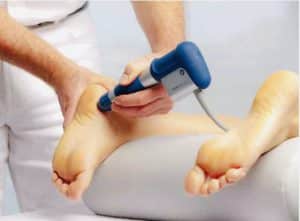
Shockwave therapy, also called Extracorporeal Shock Wave Therapy (ESWT), is a clinically proven and effective treatment for chronic soft tissue injuries.
Insoles works by producing high levels of energy to increase blood flow to injured tissues, such as scar tissue that has accumulated over time.
The increased blood flow delivers nutrients to the inflamed area and improves cell permeability. This promotes healing of the plantar fascia and ultimately reduces pain.
Why Are Insoles So Effective for Plantar Fasciitis?
To understand why shockwave works, understand what’s happening in chronic plantar fasciitis and make the right choice for insoles to be purchased accordingly
Over time, repeated strain on the plantar fascia can cause:
Micro-tears
Thickening of the tissue
Scar tissue formation
Reduced blood flow
Ongoing inflammation
When plantar fasciitis becomes chronic, the body gets “stuck” in a cycle of incomplete healing. The tissue isn’t regenerating properly.
Shockwave Therapy helps “restart” that healing process.
Dealing with selecting the best plantar fasciitis insoles can be frustrating and that is why our insoles help, but the right insoles for plantar fasciitis make a huge difference. They provide the critical support your plantar fascia needs to heal, reduce pain, and prevent future problems. When combined with therapies like shockwave therapy, massage, and targeted exercises, insoles become part of a complete plan to restore foot health.
If heel pain is keeping you from enjoying your daily activities, don’t wait-adding proper insoles for plantar fasciitis can be the first step toward happy, pain-free feet.