
By Andrew Siyabalawatte, posted April 2021.
Waking up with lower back pain can be frustrating – especially when you go to bed feeling fine and wake up stiff, tight, and uncomfortable. For many people, the issue isn’t what happens during the day, but how the best sleeping position for lower back pain is maintained overnight.
If you’re not using the best sleeping position for lower back pain, your spine can stay in a poor position for hours while you sleep, leading to stiffness and discomfort. The best sleeping position for lower back pain helps keep your spine aligned, reduces pressure on the lower back, and supports proper recovery.
Understanding and consistently using the best sleeping position for lower back pain can make a significant difference in how your back feels each morning.
Your best sleeping positions for lower back pain play a major role in how your back feels in the morning. If your spine isn’t properly supported, it can stay under strain for hours while you best sleeping position, leading to stiffness and discomfort.
From a physiotherapy perspective, sleeping is a best key recovery period. Finding the best sleeping position for lower back pain can improve spinal alignment, reduce pressure on the lower back, and support muscle relaxation. Learning the right sleeping position and posture for back pain relief is often one of the best simplest ways to improve symptoms.
Understanding how is best sleeping position with lower back pain and choosing a best more supportive, pain-free best sleeping position for back pain can make a noticeable difference to how best your back feels best when you wake up.
Discover sleeping positions and practical tips that may help reduce pressure on the spine and improve overnight comfort.
Why Sleeping Position Matters for Lower Back Pain
Back pain is one of the most common musculoskeletal complaints seen in clinics across the UK and worldwide. For many people, symptoms don’t just come from lifting, sitting, or exercise – they often appear first thing in the morning after sleeping position.
From a physiotherapy and musculoskeletal perspective, best sleeping is one of the most important recovery phases for the body. However, if your spine is not properly supported during the night, the lower back can stay under pressure for hours without you realising it.
This is why the best sleeping position for best lower back pain is such a key focus in clinical practice. The best way is you position your body at night directly affects spinal alignment, muscle recovery, and joint loading.
When the best sleeping position for lower back pain is not maintained, the body may experience-
increased best sleeping pressure on spinal discs
morning stiffness while sleeping and tightness
poor overnight muscle recovery
flare-ups of existing back pain
Clinicians often emphasise that finding the best sleeping position for lower back pain is just as important as exercise, best posture correction, or best manual therapy. In many cases, best treatment outcomes improve significantly when patients also adopt the best sleeping position for lower back pain consistently at home.
Sleeping Position That Can Worsen Back Pain
Sleeping on Your Stomach
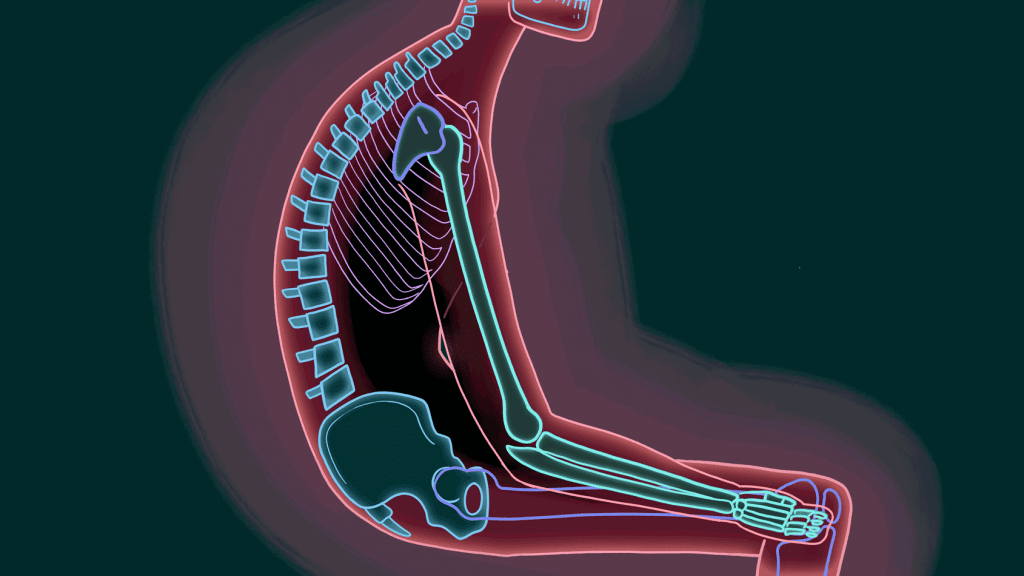
Stomach sleeping is generally not considered the best sleeping position for lower back pain because it flattens the natural curve of the spine and forces the neck into rotation.
Over time, this can lead to-
increased strain on the lumbar spine
neck stiffness on waking
reduced spinal position neutrality during sleeping
For most individuals, this is far from the best sleeping position for lower back pain and is usually discouraged in physiotherapy settings.
Tight Foetal Position
While side sleeping can be part of the best sleeping position for lower back pain, curling too tightly can have the opposite effect.
A very curled foetal position may-
overstretch the lower back muscles
reduce spinal alignment
increase morning stiffness
A best relaxed side-lying posture is much closer to the best sleeping position for lower back pain than a tightly curled position.
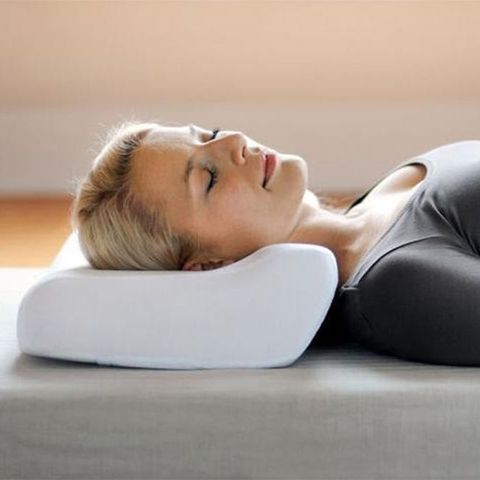
Pillow Recommendation for Neck Pain Relief and Neck Alignment – The Original Groove® Pillow (formerly known as the EasySleeper). This best pillow will maintain and support the natural position of the neck as the head rests. I recommend this best pillow to all my clients and I use it myself!
Click here to read about my personal experience using this pillow.
The Best Sleeping Position for Lower Back Pain
1. Best Side Sleeping with Knee Support
This is one of the most widely recommended versions of the best sleeping position for lower back pain in physiotherapy.
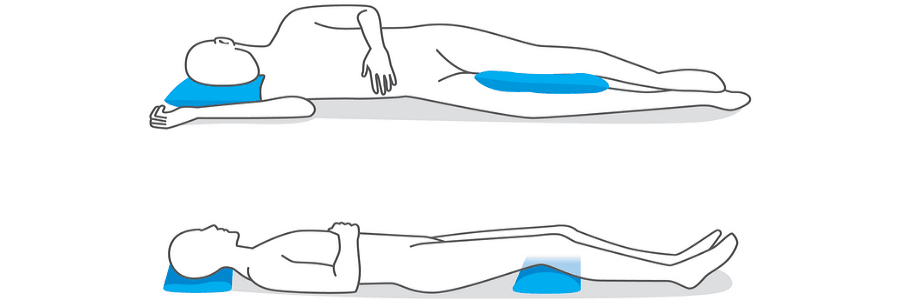
It works because it-
keeps the hips and pelvis aligned
reduces twisting through the spine
supports neutral spinal positioning
lowers pressure on the lumbar region
For many patients, this is the most effective and sustainable best sleeping position for lower back pain for everyday use.
2. Back Sleeping with Knee Support
Another commonly recommended best sleeping position for lower back pain is lying on your back with a pillow under the knees.
This helps-
maintain the natural curve of the lower back
reduce spinal compression
relax surrounding muscles
evenly distribute body weight
When done correctly, this is also considered a strong version of the best sleeping position for lower back pain, especially for people with stiffness or disc-related discomfort.
3. Reclined Sleeping Position (Optional Support)
In some cases, especially during flare-ups, a reclined position can support the best sleeping position for lower back pain approach.
Using an adjustable bed or wedge pillow reduces direct lumbar pressure and may help people settle more comfortably at night.
Best Sleeping Position for Lower Back Pain: Why Support Matters So Much
Even when using the best sleeping position for lower back pain, poor pillow or mattress support can reduce its effectiveness.
A proper setup should-
maintain best spinal neutrality
support the neck and lower back position together
avoid best excessive sinking or arching
The best sleeping position for lower back pain always depends on full-body alignment, not just the lower back alone.
Morning Back Pain and the Best Sleeping Position for Lower Back Pain
In clinical practice, it is very common for patients to feel better after treatment (physiotherapy, osteopathy, or chiropractic care), but wake up with stiffness again.
This usually happens because-
The best sleeping position for lower back pain was not maintained overnight
There is a lack of knee or lumbar support position
Long periods of static positioning occur during sleeping
Mattress or best pillow setup does not support alignment
Still Waking Up with Lower Back Pain?
If you’ve tried changing your sleeping position, putting a pillow between your knees or supporting your lower back, but still wake up feeling stiff and uncomfortable, there may be more to your back pain than just the way you sleep.
I often find that people focus entirely on their sleeping position when trying to improve their back pain. While this is certainly a good place to start, it’s also important to look at how your back moves, how well your spine is supported and whether certain muscles or joints are contributing to your discomfort.
One option that may be worth exploring is spinal decompression. At Back to Health Wellness, we use the Backaid spinal decompression device by Spinealign as part of our approach to helping people with back-related problems.
The device is designed to gently mobilise the pelvis and lower back through controlled movements. If you’d like to learn a little more about it, including how it works, you can read about it here:
Find out more about our Back Decompression Machine
Of course, the right approach will depend on what’s causing your pain. If your symptoms keep returning, it’s always worth having your back properly assessed rather than simply trying to manage the discomfort every morning.
What If Your Back Pain Isn’t Just Down to Sleeping Position?
Getting your sleeping position right can make a real difference to how your back feels in the morning. However, if you’re still waking up with discomfort, or your back pain keeps coming back throughout the day, it may be time to look a little deeper.
Sometimes, the problem isn’t simply how you sleep. Your posture, movement habits, muscle strength and the way your spine moves can all play a part.
This is why I always encourage people to look at the bigger picture rather than concentrating on one particular stretch, exercise or sleeping position.
At Back to Health Wellness, we take the time to understand what’s contributing to your back pain and discuss the most appropriate ways to manage it.
If you’d like to find out more about how we approach back pain, take a look at our Fix Spine Pain in Two Steps programme.
The aim is to help you understand what’s going on with your back and find a practical way forward, rather than simply treating the symptoms.